Mirror Wall
The Easter Sunday Terror attacks Verdict: What’s Next?
By kassapa
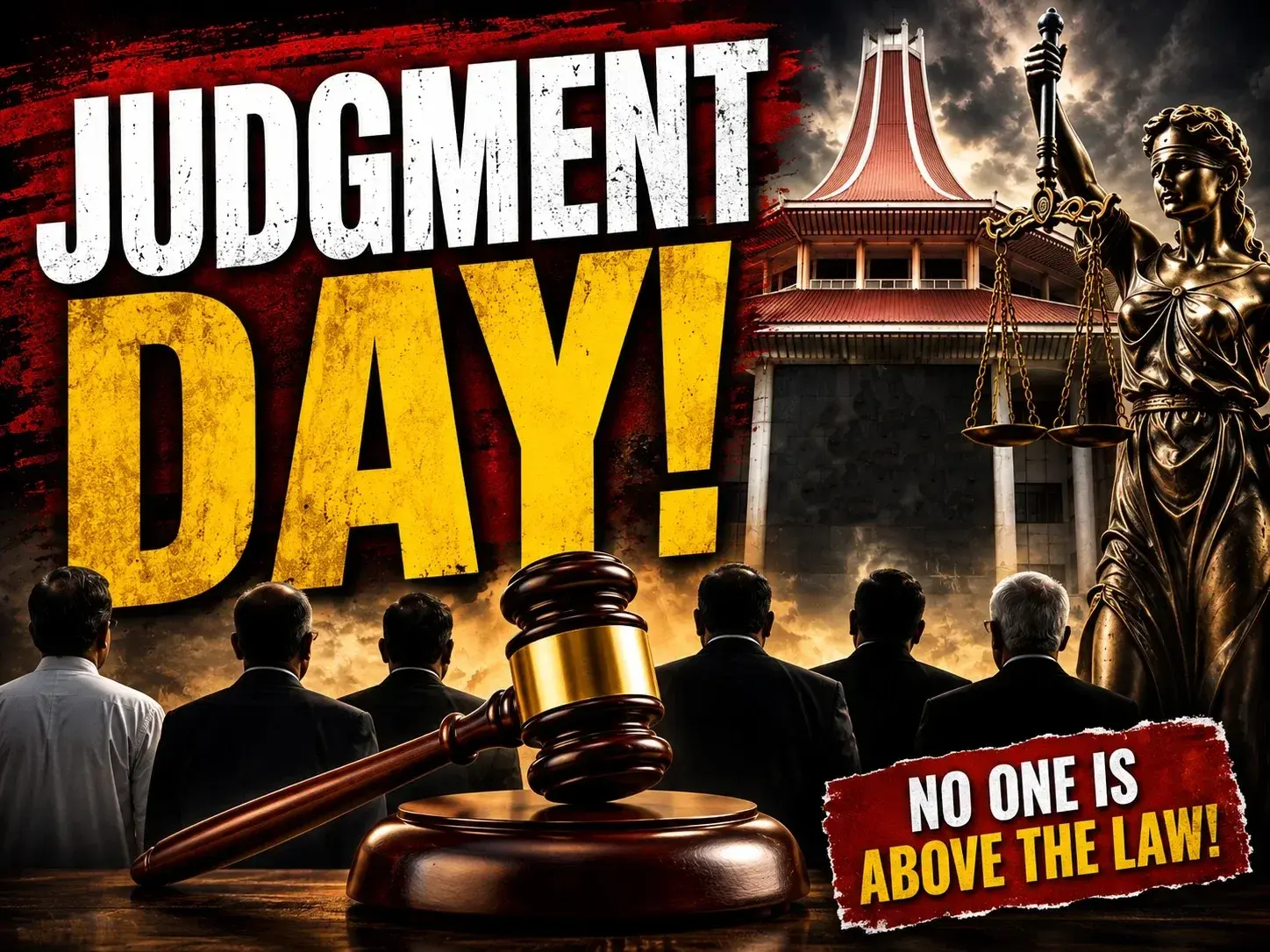
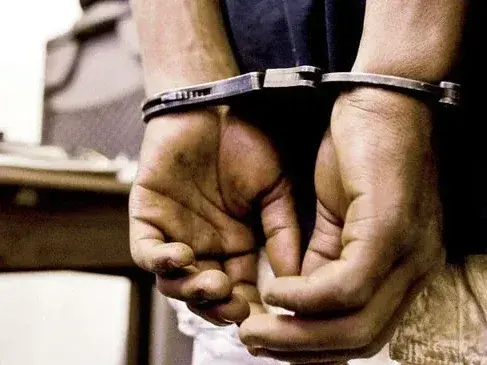
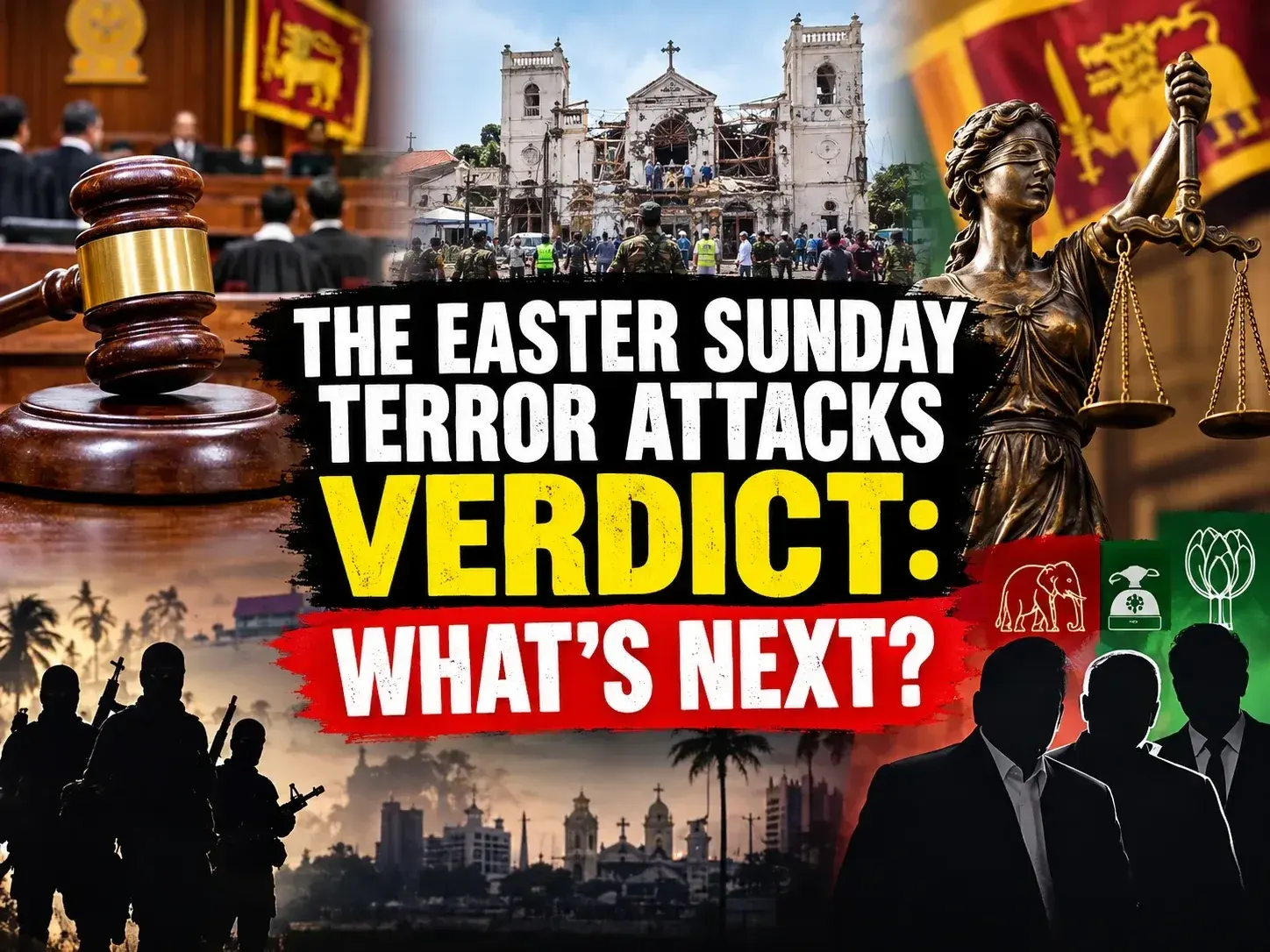
Tuesday saw the conclusion of one of the Sri Lanka’s most voluminous trials. The case against the survivors of the 2019 Easter Sunday terror attackers ended with fifteen attackers being handed out death sentences amounting to 200 years each or more, which in effect is life imprisonment. Nine accused were acquitted and discharged.
This is a significant milestone, both legally and politically. Ever since the attacks, both the Sri Lanka Podujana Peramuna (SLPP) during the 2019 presidential election campaign and the National Peoples’ Power (NPP) during the 2024 presidential and general election campaigns pledged to deliver justice to the victims and survivors of the attacks. The SLPP failed to do so and now virtually finds itself in the dock as the NPP government has made the Easter probe one of its priorities.
Ironically, the case that was concluded on Tuesday was initiated during the days of the SLPP government. However, it dragged on, hindered by many issues, not picking up pace until it finally did only recently, with facilities being provided for daily sittings of the special High Court Trial-at-Bar. The NPP will claim credit for this and justifiably so.
The verdict came on the same day as the announcement of the Supreme Court’s determination on the 22nd Amendment that seeks to extend the retirement ages of superior court judges. This will be a relief for the government. Faced with accusations that it was trying to interfere with the independence of the judiciary, the government will point to this verdict as evidence of its commitment to the rule of law and delivering justice.
However, this is not the only ongoing case regarding the Easter Sunday terror attacks. There are many more. This case deals with those who were actually involved in carrying out the attacks but not those who conceived and strategised to stage the attack. With regard to the latter, the most talked about case is that which involves the former Director of the State Intelligence Service, Suresh Sallay.
Sallay has been at the centre of controversy ever since he was detained several months ago. He has staged a so-called ‘fast unto death’ which he has now called off. He is in hospital, citing medical ailments, adding to the frustration of investigators. The political undertones of his detention have become evident with opposition politicians, particularly from the SLPP and those aligned with that party rushing to defend him. This has reached such proportions that some of them could potentially face contempt of court charges.
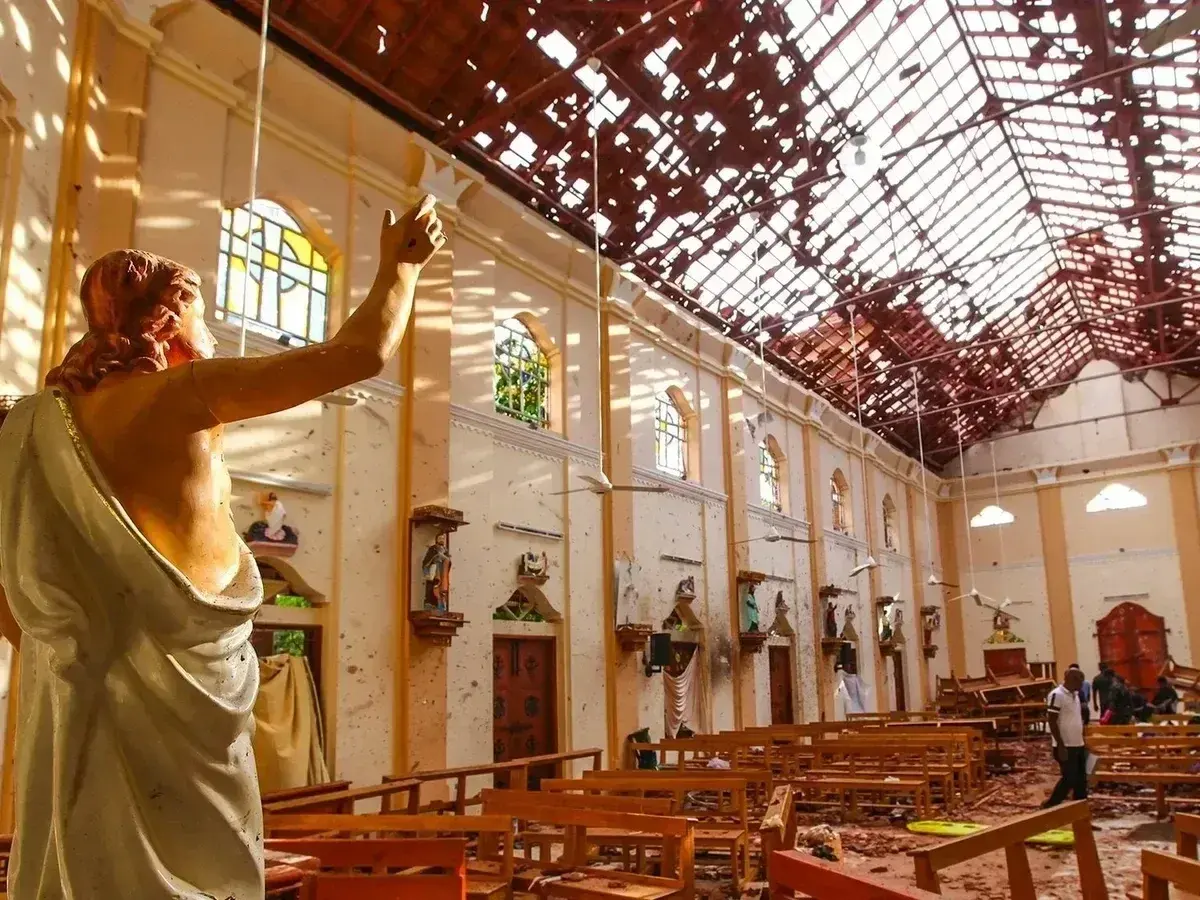
Tuesday’s verdict recalled the fact that, even in a country which has suffered terror attacks at the hands of the Liberation Tigers of Tamil Eelam for the best part of three decades, the 2019 Easter Sunday terror attacks were by far the most heinous crime, killing at least 269 persons and maiming over 500 others. The dead were mostly Catholic devotees, though the victims in the five-star hotels included many tourists. Justice must be meted out to those who thought up this dastardly deed. Punishing those who merely carried it out is not enough.
This is where the Easter Sunday terror attack probe is heading now. The potential outcome is frightening and unthinkable but is becoming more and more plausible. The current thinking among investigators is that radicalised Muslim extremists were detected by military intelligence early. However, instead of nipping their operations in the bud, they were not only allowed to carry on unhindered, they were even provided with tacit support.
While this was progressing on the one hand, Sinhala chauvinism, if not extremism, typically personified by the recently re-convicted Galagoda-aththe Gnanasara thero’s rants against the Muslim community, was allowed to flourish. The result was an anti-Muslim hate campaign, replete with false claims of alleged forced sterilisations by Dr. Shafi Shihabdeen and ‘koththu roti’ containing medicines that would diminish the Sinhala race.
The seeds of racial hatred were slowly being planted. The hope was that the average Sinhalese would hate the average Muslim and vice versa. This would provide the necessary impetus for the radicalised Muslim group led by Zahran Hashim to do what they did, taking 269 lives with them.
Two issues remain to be resolved. The first is to establish the link between those who carried out the attacks and those who strategised it. It is in this that Sallay is alleged to have played a key role. Since Sallay has nothing to gain from such an ‘operation’, it can be concluded that he was acting at the behest of politicians. So far, Sallay has proven to be a hard nut to crack, resisting investigators at every turn. Even now, after months of interrogation, he allegedly refuses to hand over the passwords of his electronic devices.
The second issue that needs to be addressed is to prove in a court of law that the Easter Sunday terror attacks were indeed the result of not merely a group of radicalised extremists but the end result of a grand plan to gain power by instigating racial hatred between communities, at the cost of the lives of hundreds of innocent men, women and children including tourists. Seeing the legal obstacles that are being encountered at every step so far, this will be no easy task.
It is also safe to say that for both these issues to reach a closure, an NPP government needs to be in office. If the SLPP returns to power, these processes will die a natural death. The same outcome is likely even if the government is headed by the United National Party (UNP). There can be no guarantee that even the Samagi Jana Balavegaya (SJB) will honour an impartial probe, given some of its recent utterances and positioning, aligning itself with the SLPP on critical issues such as the 22nd Amendment.
Last Tuesday’s verdict then, is the just the beginning of unravelling the truth behind the Easter Sunday terror attacks. It could be the beginning of the end for some political forces, especially if the NPP secures a second term in 2029.