Latest News
Government moves to ease prison overcrowding as remand population falls, Justice Minister says
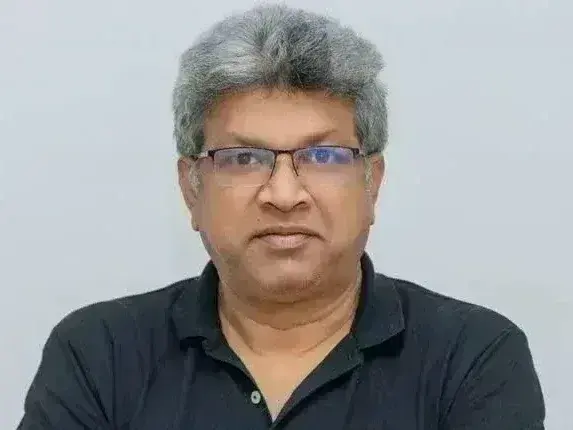
The government has begun a series of measures to reduce severe overcrowding in Sri Lanka’s prisons, including accelerating Government Analyst reports, expanding prison capacity and amending bail provisions for drug-related offences, Justice Minister Harshana Nanayakkara told Parliament on Tuesday.
Responding to an adjournment debate on prison conditions, Nanayakkara said overcrowding and inadequate facilities were longstanding problems that had developed over 15 to 25 years as successive governments failed to expand prison infrastructure or provide adequate basic facilities.
He said the prison population, which had been around 41,000, had now fallen to about 30,000, partly as a result of efforts to speed up Government Analyst reports required in criminal cases.
A large proportion of remand prisoners were being held in drug-related cases while awaiting such reports, the minister said. The Government Analyst’s Department was working extended hours and staff had been provided additional incentives to clear the backlog.
The government aimed to eliminate the backlog, apart from cases received during the preceding month, by 31 January, he said.
Nanayakkara said overcrowding could not be addressed simply by releasing prisoners and that additional accommodation was also being identified.
Government-owned buildings were being examined for conversion into facilities capable of housing inmates, while the government had temporarily taken back the old Bogambara Prison and Tangalle Prison to help ease congestion.
The government was also considering greater use of rehabilitation centres instead of imprisonment for people with drug addictions, he said.
Nanayakkara said amendments were being made to drug laws to address restrictions introduced in 2022 that had made obtaining bail more difficult in certain narcotics cases and contributed to prison congestion.
Under the proposed changes, courts would have greater authority to grant bail based on the gross weight of seized drugs rather than requiring suspects to remain in custody until Government Analyst reports were received, he said.
The minister said the government was also examining recommendations on the use of presidential pardons, including mechanisms relating to elderly prisoners and the reactivation of medical boards.
He said a committee report on the matter had been submitted to the Cabinet.
The government was meanwhile considering a major new prison development at Millewa, where more land would be available to provide inmates with better and more humane living conditions. Nanayakkara said the proposed project was estimated to cost about Rs. 88 billion.
Sri Lanka’s prisons have been operating well above their intended capacity, and Nanayakkara has previously said overcrowding has become one of the most serious problems facing the prison system.
The minister told Parliament that imprisonment should not be viewed simply as punishment through suffering.
“The objective should be for people to leave prison as better individuals,” he said, adding that severe overcrowding was making rehabilitation more difficult.
Nanayakkara said reducing congestion would require more than additional buildings and legal changes. The social and economic conditions that pushed people into drug use and drug-related crime also had to be addressed.
He called for the support of both government and opposition MPs in reforming the prison system, saying the government’s objective was to create conditions in which remand prisoners and convicted inmates could live with basic human dignity.
RELATED NEWS
View all

Latest News
Man arrested over alleged transfer of Rs. 24.85 billion in foreign currency abroad
Sep 23, 2026
Latest News
Court hands 200-260 year jail terms over 2019 Easter attacks
Sep 23, 2026
Latest News
15 found guilty in Sri Lanka Easter Sunday attacks trial
Sep 22, 2026
Latest News
Supreme Court says 22nd Amendment does not require referendum
Sep 22, 2026