Current Affairs
Sri Lanka counts the cost of two failed Chinese deals
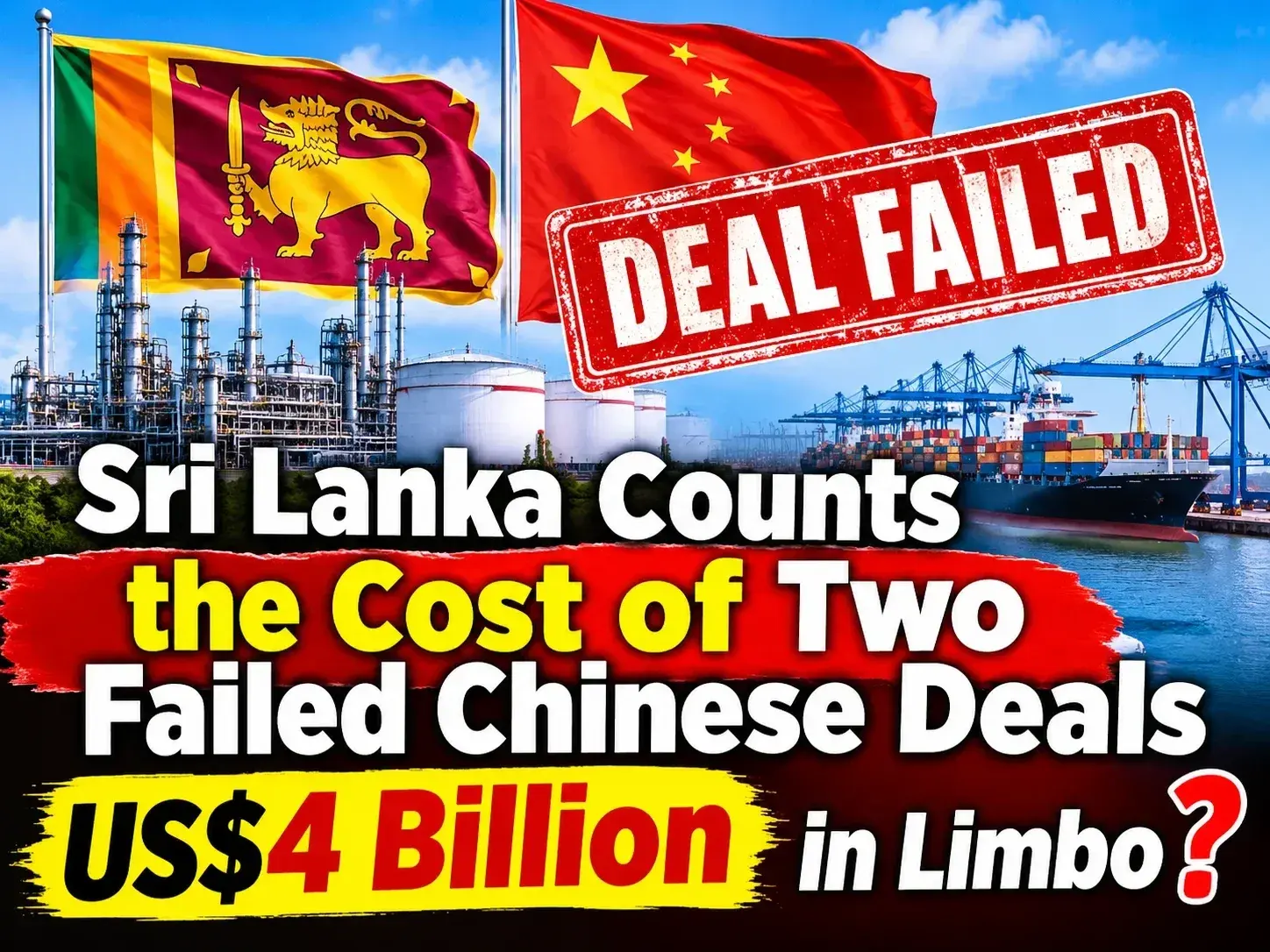
Sri Lanka is seeking replacement investors for two projects worth more than US$4 billion after agreements with Chinese companies fell apart. The loss of Sinopec’s proposed Hambantota refinery and China Merchants Port Holdings’ planned Colombo logistics hub will delay efforts to build industries around the country’s ports.
Sinopec wanted to sell 40 per cent of the refinery’s output domestically, obtain more land and receive government-provided water. Negotiations over the US$3.7 billion venture stalled on these demands. Domestic sales had already obstructed refinery discussions with other Chinese companies in 2017. Sri Lankan negotiators therefore had years of warning that an export-focused project might not satisfy investors.
The government has grounds for limiting Sinopec’s access to the local market. When private fuel suppliers reduced imports during the war against Iran earlier this year, the state-owned Ceylon Petroleum Corporation had to cover the shortfall. Giving private suppliers a substantially larger market share could leave the government with less capacity to respond during the next supply crisis.
Sri Lanka needs to find new investors, after rejecting Sinopec’s demands. Another refinery developer probably wants similar access to domestic customers, particularly when export earnings are uncertain. The government needs to decide how much access it can offer while preserving CPC’s ability to maintain supplies.
The US$392 million Colombo logistics project encountered a similar obstacle. China Merchants expected concessions under the Strategic Development Projects framework. According to the Sri Lanka Ports Authority, those concessions became unavailable following IMF objections. The project with completion expected by the end of 2025, never even commenced over the disagreements.
The Ranil Wickremesinghe administration negotiated both the logistics agreement and the IMF programme. The programme was approved a month before the investment agreement was signed. The government should have established what concessions it could grant before committing to the project and now investors will want to know whether the authorities negotiating their contracts can actually stick to the terms they offer.
The agreed US$21.9 million settlement over the logistics venture adds a public cost to the lost investment. China Merchants spent years pursuing a business that never opened, and recovering its capital cannot recover the opportunity cost. Other investors may consequently insist on more approvals before committing funds or seek compensation clauses that make future cancellations more expensive for Sri Lanka.
Both projects could have expanded businesses around existing Chinese port investments. A Hambantota refinery would have brought crude shipments and petroleum exports through the port, with opportunities for bunkering and related industries. Those could have provided a stronger commercial base for a port whose wider industrial development has not materialized even after years.
At Colombo, the logistics hub would have allowed operators to process selected cargo for onward distribution, earning more than the fees from transferring containers between ships. China Merchants already operates a major container terminal there. One must not forget that this was a company with an established operation and customers at the port.
Finding another logistics investor will take time while competing ports improve their services. Shipping disruptions and uncertain cargo flows could complicate investment decisions further.
The failed agreements will also affect future discussions with Beijing. If basic commercial terms remain unsettled a signed agreement, political endorsement offers limited reassurance about when construction can begin.
The government now needs to specify what replacement investors can expect. For the refinery, that means an agreed domestic sales limit and clear obligations for land and water. For the logistics hub, it means concessions that comply with Sri Lanka’s fiscal commitments. Until those terms are settled, another investment announcement would offer little reason to expect a different result.
Share this story
RELATED NEWS
View all

Current Affairs
The motion that went nowhere
Nov 16, 2026
Current Affairs
Killers of journalists go untraced in 90% of cases, the UN says
Nov 03, 2026

Current Affairs
India’s new privacy law would chain the media, leading publishers including Ambani and Adani tell the Supreme Court
Oct 28, 2026

Current Affairs
Netanyahu’s Likud trails Eisenkot’s Yashar in Israeli pre-poll surveys
Oct 23, 2026