Politics by Vishvanath, Cover Story
Alleged assault at JVP headquarters and bigger issues for comrades
By Vishvanath
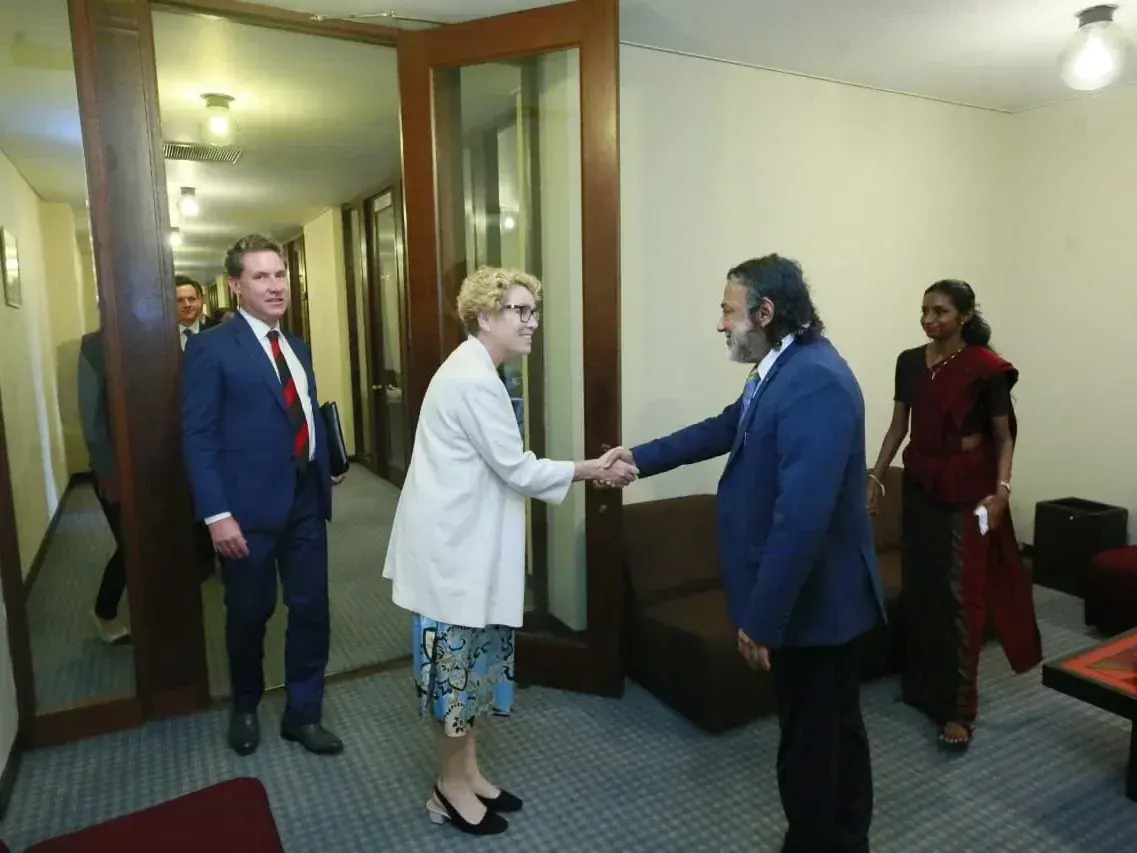
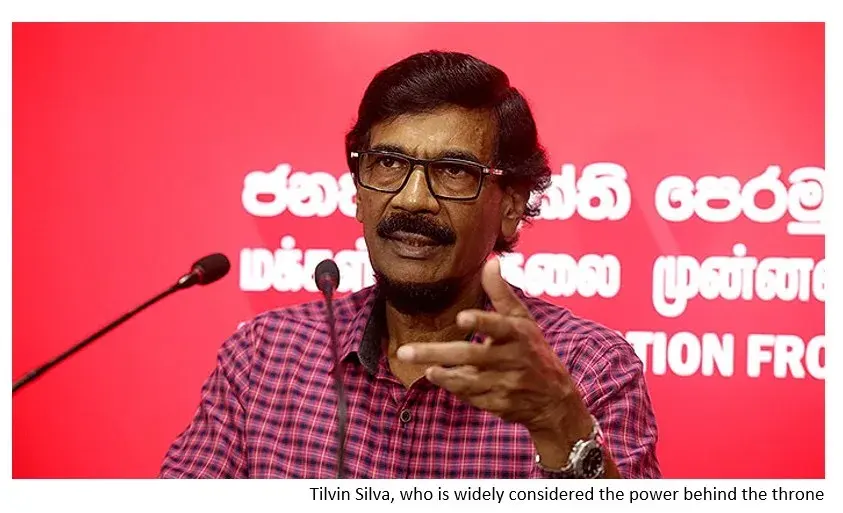
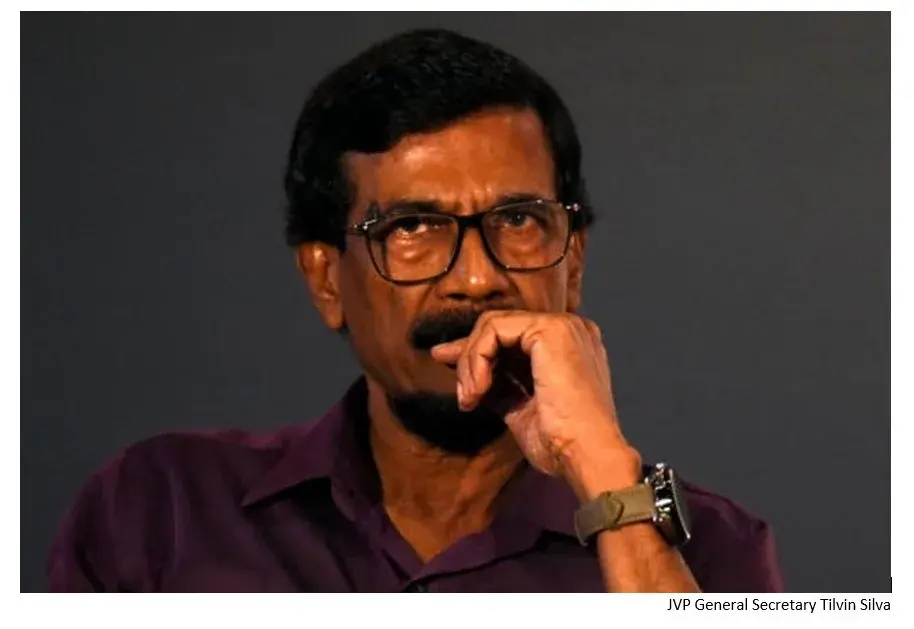
There have been numerous social media posts during the last few days, claiming that JVP General Secretary Tilvin Silva was assaulted by another JVP stalwart at the JVP headquarters, Battaramulla. Such news has wings, and it did not take more than a few hours for the unverified story to travel across the globe several times over, with some people spicing it up with a claim that Silva had been hospitalized. The Opposition propagandists had a field day in the digital realm, bashing Tilvin and the JVP and even claiming that there was a split in the government. Tilvin appeared in a social media interview a couple of days later, and denied the rumors of assault, claiming that his political rivals’ imagination was running riot.
However, it is said that Sri Lankans are so cynical that they do not believe anything until it is officially denied. So, it is doubtful whether Tilvin’s statement really helped counter his political opponents' claims and put the matter to rest. All social media claims about the assault incident are based on an estranged NPP activist’s Facebook post from overseas. Those who have bought into his claim now ask why Tilvin waited for a few days to give a social media interview and deny the reports of assault. Their contention is that he waited until his facial swellings caused by assault abated to come out and issue a denial. Given such claims and denials, it is not possible to ascertain the truth. However, the benefit of doubt, in our view, should accrue to Tilvin and the JVP.
The alleged assault incident, even if true, is the least of the JVP’s woes. There are far worse issues the JVP-NPP government will have to face along the way. The NPP is a political mixed bag where numerous ideological differences and competing political ambitions clash. It has no vote base as such and it came to power harnessing public anger, which found expression in a massive protest vote against the previous heads of state and their political parties. It was the non-JVP constituents of the NPP alliance that helped the JVP endear itself to the electorate and garner votes to win elections. The presence of professionals and other such eminent persons among its ranksenabled the NPP to sell its pledge of change to the public. The JVP provided political leadership to the NPP while the non-JVP members in the coalition delivered the votes. It is this combination that worked, and therefore the non-JVP members of the NPP cannot be expected to take kindly to efforts being made by the JVP to fortify its future by dominating and using the NPP alliance. Most of all, it is not possible to reconcile the JVP’s ideology with the liberal thinking of the non-JVP members of the NPP. The forced fusion of Marxism and liberalism in the NPP has led to severe ideological contradictions in the government. It is said that the JVP has stopped displaying thecutouts of Marx, Lenin and Engels at its political rallies, but its core ideology remains Marxist, and its old guard, which is very influential in the government, is resisting change. The liberal-minded non-JVP members cannot be considered well-disposed towards the regimented nature of the government led by a Marxist outfit.
One may recall the fate that befell the Rajapaksa governments, which were also fissiparous political alliances. The main reason why the Mahinda Rajapaksa government collapsed in 2015 was its failure to manage its internal problems arising from group dynamics, competing ambitions and political differences. It suffered mass defections in late 2014, and they ruined its chances of winning an election. It collapsed in January 2015. The UNP-led Yahapalana government also faced a similar fate and fell in 2019. The SLPP government under President Gotabaya Rajapaksa’s stewardship had the Rajapaksa family rivalries to contend with, besides other critical issues. Blood is said to be thicker than water, and the Rajapaksa family was known for its unity. But political ambitions and differences and sibling rivalries eroded the familial bonds of the Rajapaksas and made the SLPP government dysfunctional. Basil Rajapaksa sought to dominate the SLPP, much to the chagrin of other party stalwarts, including some Rajapkasa family membersthemselves. Their political battles, ill-conceived policies and populist agenda led to the mismanagement of the economy and a crippling economic crisis, which became the undoing of their government. It was also due to ideological differences and personality clashes that the SLFP-led United Front government suffered splits before collapsing in 1977. The SLFP and its Marxist coalition partners could not get along.
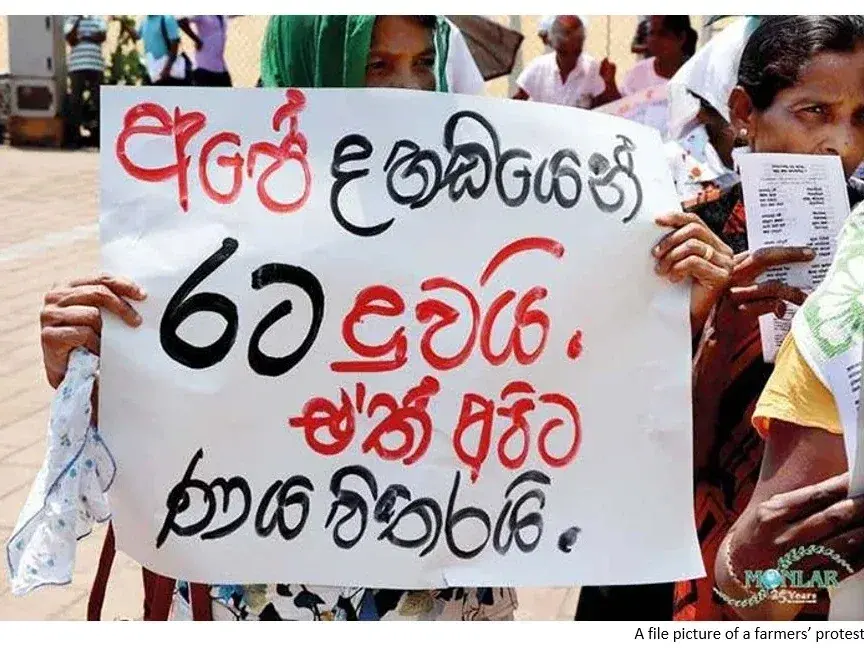
What brought the JVP and other members of the NPP together was the much-touted anti-corruption campaign and a mission to usher in good governance. Today, the JVP-NPP government is facing very serious allegations of corruption and abuse of power, and its solemn pledge that its members would practise austerity remains unfulfilled. The asset declarations of some prominent JVP members have created huge controversy, and the government has not been able to match its words with deeds. The JVP stands accused of having betrayed the trade union movement, which it used as a ladder to reach dizzy political heights. The same goes for farmers associations, which are currently on the warpath, claiming that the government has let them down. Thus, the government’s pillars of strength show signs of structural weakness and potential collapse, and it is doubtful whether the JVP will be able to mobilise workers and farmers again to advance its political agenda.
The alleged incident of assault at the JVP headquarters pales into insignificance in comparison to the increasing erosion of the JVP’s support base, ideological differences, corrosive group dynamics and political rivalries in the ruling coalition.
RELATED NEWS
View all
Politics by Vishvanath
‘Cockroach’ uprising and echoes of Aragalaya
Jul 26, 2026
Politics by Vishvanath
Stage set for no-faith showdown
Jul 24, 2026
Politics by Vishvanath
Ranil looms in rearview mirrors of both govt. and Opp.
Jul 21, 2026
Politics by Vishvanath
Ranil’s comeback campaign gets underway in earnest
Jul 17, 2026