Politics by Vishvanath, Cover Story
A high-wire act for the NPP govt.
by Vishvanath
It usually does not take more than a year or so for a honeymoon between the electorate and a newly elected government to be over in this part of the world. Anti-incumbency sentiments are already beginning to weigh on the JVP-led NPP government heavily. Raising public expectations to win elections is a huge gamble in Sri Lanka in that the party that resorts to such methods and secures victory is expected to make good on its election promises straight away, come what may. Patience is not a virtue Sri Lankans possess. Politicians are said to get and forget, and so do voters.
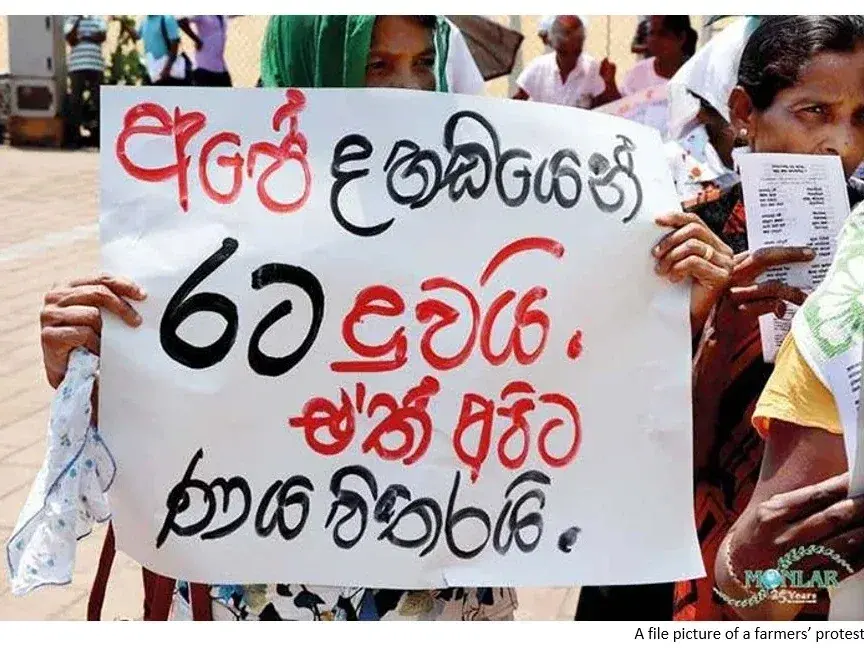
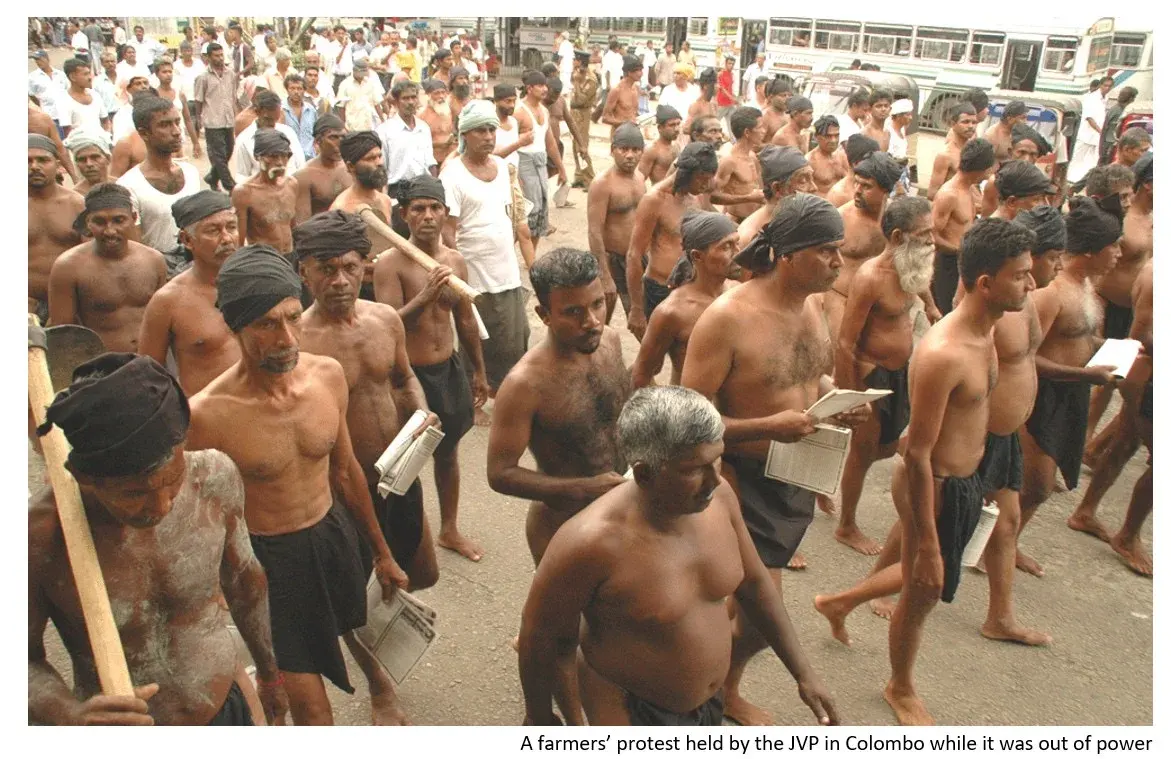
It is no longer smooth sailing for the NPP government, with serious problems to contend with on the economic front. There are complaints of unbearable cost of living. Taxes and tariffs have increased exponentially. Some farmers’ associations have warned that they will march on Colombo unless the government makes fertilizers available at reasonable prices immediately. These are signs of the NPP government’s luck running out.
Following the 2024 regime change, huge tax and tariff increases led to a significant increase in the state revenue, so much so that the current government boasted that the Treasury was overflowing. A reduction in capital expenditure also helped boost government revenue. Foreign currency reserves increased albeit slowly, and it was possible for the government to prevent a sharp rise in the cost of living for a while. But Cyclone Ditwah caused a massive rise in state expenditure on post-disaster rehabilitation and rebuilding programs, and the eruption of the Middle East conflict sent economies reeling the world over.
A surge in global oil prices has taken its toll on Sri Lanka’s foreign currency reserves, and driven the local petroleum prices up, and another increase is believed to be in the pipeline. The JVP-led NPP came to power, claiming that the fuel prices had increased due to corruption and the mismanagement of the Ceylon Petroleum Corporation, and promising to bring them down by slashing taxes on them. Instead, the government keeps on increasing fuel prices, which must be cost-reflective in keeping with one of the many IMF loan conditions. The Opposition has accused the government of making unconscionable profits from fuel. When the wolf is at the door, people become impervious to reasoning and demand relief.
Electricity tariffs continue to increase, as oil-fired power plants have to operate round the clock to make up for a huge generation loss caused by low-quality coal imported for the Norochcholai power complex. They have dealt a crippling blow to the industrial sector, and it is feared that many foreign investors will vote with their feet.
One of the main election promises of the JVP/NPP was to make imported Japanese vehicles affordable to the ordinary people. But high taxes drove vehicle prices up unprecedentedly, shattering the vehicle dream of the public, and now the government has moved to restrict vehicle imports by slapping a 50% Customs duty surcharge, which will lead to a further increase in vehicle prices.
There is no other way the government can reduce the import bill, which is increasing rapidly, and it is expected to resort to some more drastic measures to restrict other imported goods as well. The government is wary of doing so immediately because the Opposition has claimed that the country is returning to what it describes as the Gotabaya Rajapaksa era.
Rice growers are complaining that they had to do without fertilizer application at the initial stage of paddy cultivation during the current season. They claim that the JVP/NPP politicians who led their campaigns during the previous government and held protests in Colombo are now avoiding them. It was farmers who started protests against the SLPP government over fertilizer shortages and that administration’s organic farming initiative. Their protests snowballed, with the onset of an economic crisis, marking the beginning of the end of the SLPP administration.
Farmers may not be an organized political force, as such. They are divided among different political parties. Employment in agriculture amounts to about 28-30% of the labor force, according to the Food and Agriculture Organization statistics. They contribute only about 7-8% of GDP. However, farmers work and live among the rural people who account for more than 80% of the population, and therefore they and their families are capable of influencing electoral outcomes.
US President Donald Trump has postponed planned resumption of attacks on Iran, but has threatened to carry them out without notice unless Iran agrees to a peace deal fast. Oil prices rallied yesterday following Trump’s announcement of possible resumption of hostilities, aggravating the woes of all economies around the world. Sri Lanka will be among the worst affected by the Middle East conflict and its economic fallout. The NPP government will have to adopt austerity measures to navigate the economic challenges, and face their political consequences which the Opposition is bound to capitalize on. Worse, it is under pressure to hold the delayed provincial council elections this year. This is no doubt a high-wire act the government has to perform to overcome some existential problems and hold the Opposition at bay.
RELATED NEWS
View all
Politics by Vishvanath
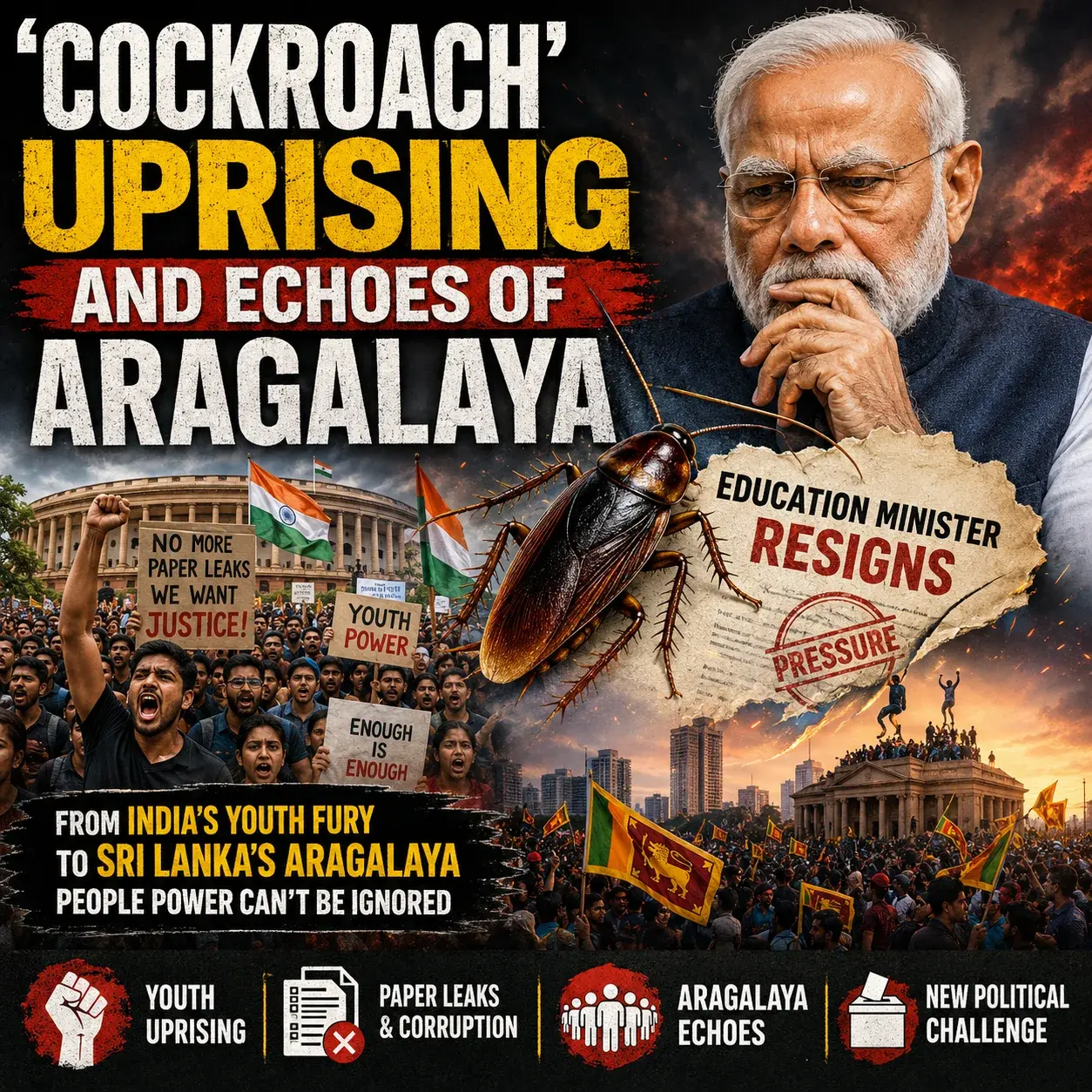
‘Cockroach’ uprising and echoes of Aragalaya
Jul 26, 2026
Politics by Vishvanath
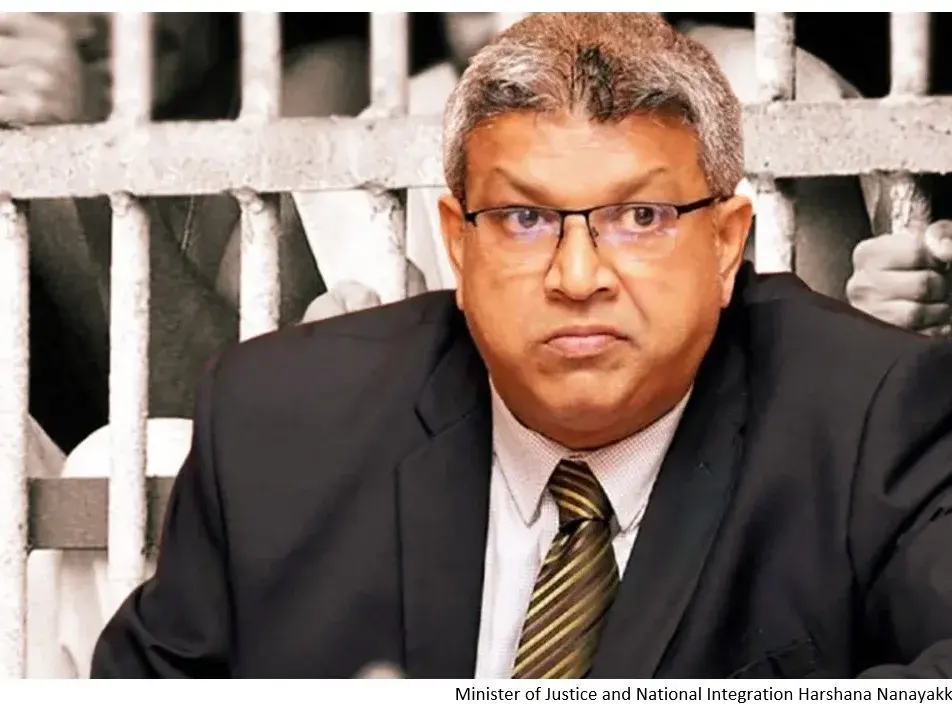
Stage set for no-faith showdown
Jul 24, 2026
Politics by Vishvanath
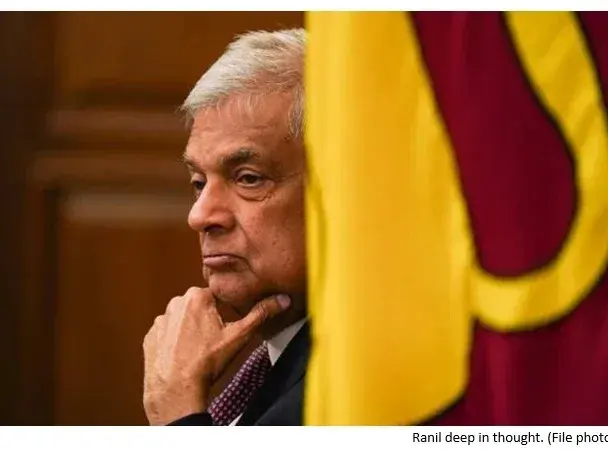
Ranil looms in rearview mirrors of both govt. and Opp.
Jul 21, 2026
Politics by Vishvanath
Ranil’s comeback campaign gets underway in earnest
Jul 17, 2026